Storm & Rain Damage
Common Causes of Water Damage in Alabama Homes
7 min read · Last reviewed July 25, 2026
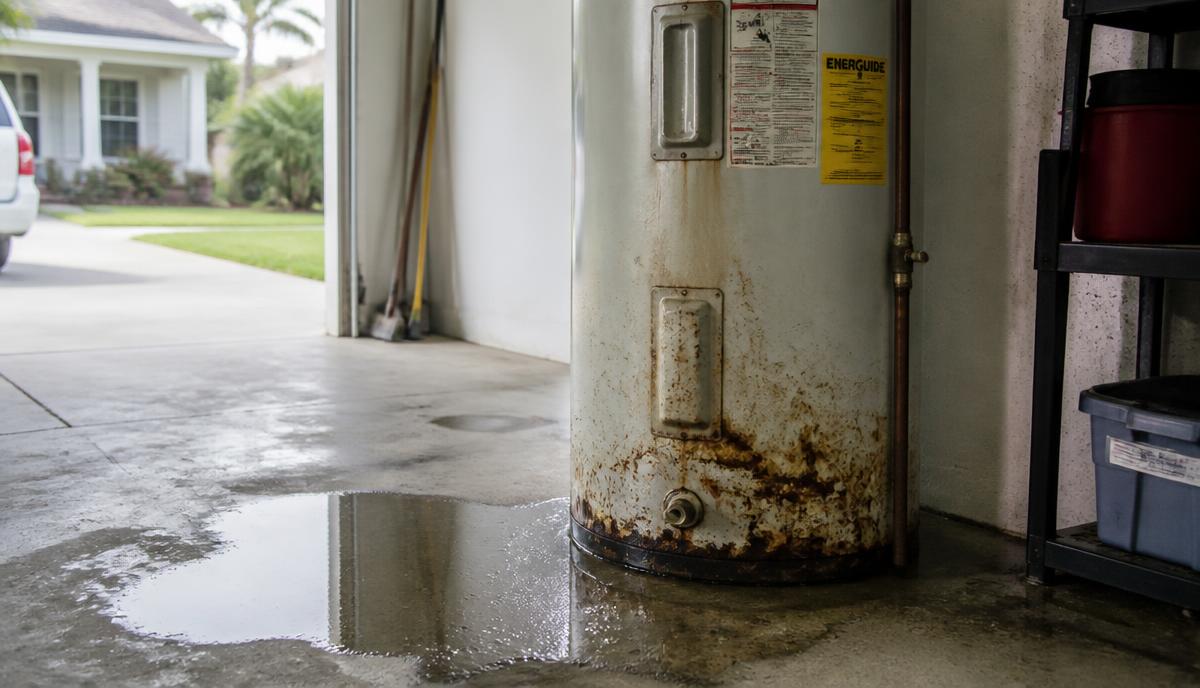
Water damage tends to repeat by region because climate and construction style repeat. In Alabama, and particularly along the coast, the same handful of causes account for most residential losses.
Key takeaways
- Roof and flashing failures dominate storm-season losses.
- Plumbing and appliance failures cause the most year-round losses.
- HVAC condensate problems are chronically underestimated in humid climates.
- Drainage and grading turn ordinary rain into foundation problems.
Roofing and flashing
Wind lifts shingles, ages sealant, and cracks pipe boots. Valleys and roof-to-wall junctions concentrate water and are the first places to fail. Because the failure is small and the entry point is above the ceiling, the damage often accumulates before anyone notices.
- Early signs: granules in gutters, dark streaking on attic sheathing, a faint ring on a ceiling
Plumbing supply and drain lines
Supply lines are under constant pressure, so a failure releases water continuously until someone shuts it off. Braided washing machine hoses, icemaker lines, and toilet supply connectors are the frequent offenders. Drain leaks are slower but sit hidden under cabinets for months.
- Early signs: a warped cabinet floor, a rocking toilet, a rising water bill, a rusty shutoff valve
Appliances and water heaters
Water heaters typically last around a decade, and many fail by leaking rather than bursting. Attic and interior-closet installations turn that leak into ceiling damage. Dishwashers and washing machines fail at hoses, pumps, and door seals.
- Early signs: rust at the tank base, moisture in the drain pan, a damp spot appearing after each cycle
HVAC condensate
In a humid climate an air handler removes a substantial amount of water from the air every day, and all of it has to drain. A clogged condensate line backs up into the pan and then into the ceiling or wall below — a very common cause of summer ceiling stains.
- Early signs: water in the secondary pan, a stain below the air handler, a float switch tripping the system off
Drainage, grading, and crawlspaces
Soil that slopes toward the house, downspouts that dump at the foundation, and blocked yard drains put repeated volumes of water against the slab or into the crawlspace. In raised homes, that shows up as a persistently damp crawlspace, cupped floors, and musty air upstairs.
Ambient humidity
Unlike the others, humidity is not a leak — it is a condition. Sustained high indoor humidity condenses on cool surfaces, keeps materials from drying, and accelerates every other problem on this list.
Questions homeowners often ask
What causes most household water damage?
Plumbing supply failures and appliance leaks cause the most incidents overall; roof and storm intrusion dominate during severe weather seasons.
Is water damage more common in humid climates?
The incidents are similar, but the consequences are worse: high humidity slows drying and extends how long materials stay wet.
Why the Gulf Coast is different
Very high annual rainfall, tropical systems, and long humid seasons mean local homes see more water and dry more slowly. Slab-on-grade and raised-with-crawlspace construction are both common, and each has its own moisture pattern.
The practical implication is that small problems escalate faster here than the national averages suggest, so seasonal checks pay off more.
Frequently asked questions
Continue reading
- Water Damage From Heavy Rain and Storms: What Homeowners Should Check
How wind-driven rain and storms get water into a building, the checks to run after severe weather, and practical steps to reduce repeat storm-related water intrusion.
- How to Prevent Recurring Water Damage
A practical maintenance approach to stopping repeat water damage: seasonal checks, plumbing and appliance upkeep, drainage, leak detection, and knowing your shutoffs.
- How Humidity Can Make Water Damage Problems Worse
Why high indoor humidity slows drying, causes condensation damage without any leak, and how homeowners can measure and control moisture in the air.
- How to Find Hidden Water Damage Before It Gets Worse
Hidden water damage shows up as smells, stains, and small changes long before it becomes visible. Learn where to look, what the warning signs mean, and which tools confirm moisture.
Last reviewed July 25, 2026. This guide is general educational information and is not a substitute for an on-site assessment of your property.