Prevention & Maintenance
How to Prevent Recurring Water Damage
7 min read · Last reviewed August 1, 2026
Repeat water damage almost always means the underlying cause was never resolved — the repair addressed the symptom. Prevention is mostly a short list of checks done on a schedule.
Key takeaways
- Fix the cause, not just the damage; document what was actually corrected.
- Most prevention is seasonal maintenance that takes a couple of hours.
- Inexpensive water alarms catch the failures you cannot see.
- Everyone in the building should know where the main shutoff is.
Start with the actual cause
Before repairs are finished, be able to state in one sentence what failed and what was done about it. 'The ceiling was replaced' is not a cause. 'The pipe boot on the vent stack had cracked and was replaced, and the area was tested with a hose' is.
If nobody can answer that clearly, expect a repeat.
Seasonal checks
Every season
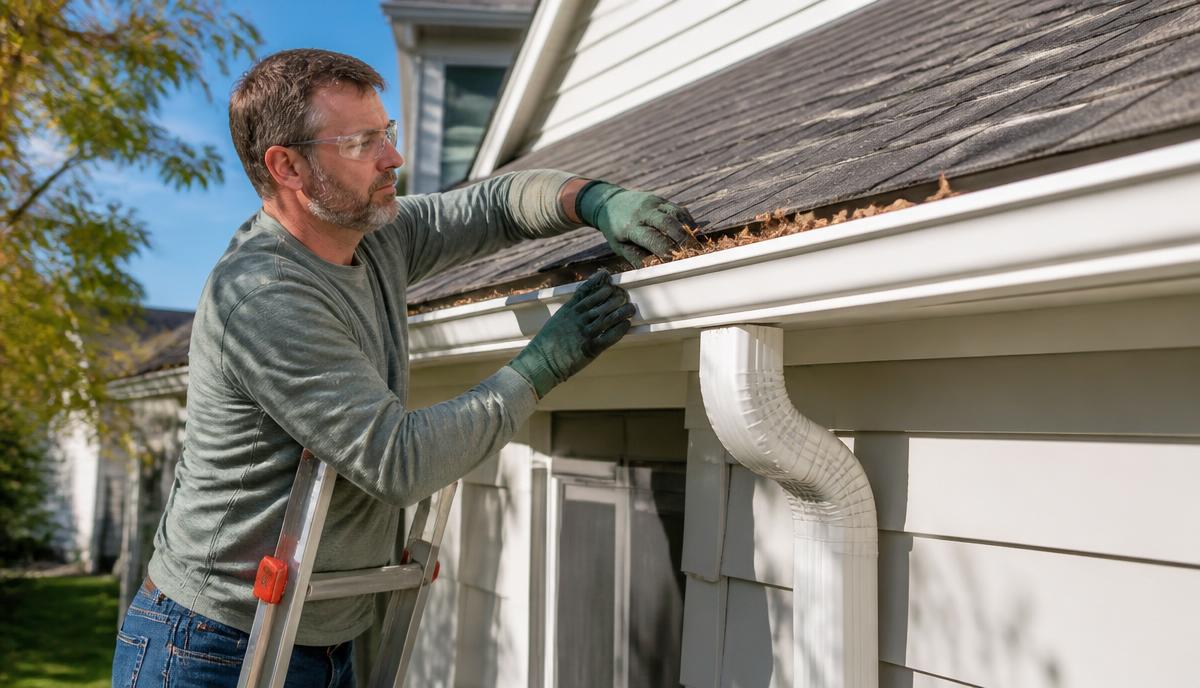
- Clear gutters and confirm downspouts discharge away from the foundation
- Walk the perimeter looking for pooling, erosion, or soil sloping toward the house
- Check under every sink and behind appliances for damp or staining
- Look at the water heater base and drain pan
- Test bathroom and kitchen exhaust fans
Annually
- Have the roof, flashing, and sealant inspected
- Flush the HVAC condensate line and confirm the float switch works
- Inspect crawlspace or basement for moisture and vapour barrier condition
- Check caulking and sealant at windows, doors, tubs, and showers
- Exercise the main shutoff valve so it is not seized when you need it
Every few years
- Replace braided appliance supply hoses
- Reassess water heater age and condition — most have a limited service life
- Review grading and drainage after landscaping changes
Detection that pays for itself
Battery water alarms cost very little and go in the places where a leak would otherwise sit unnoticed: under sinks, behind the washing machine, beside the water heater, in the crawlspace, near the air handler.
Smart leak sensors add remote alerts, which matters for rental property and second homes. Automatic shutoff valves go a step further and close the main when abnormal flow is detected.
For landlords and property managers
- Schedule documented inspections rather than relying on tenant reports
- Give tenants written instructions for the main shutoff and how to report leaks
- Track the age of water heaters, hoses, and roofs across the portfolio
- Keep maintenance records — they matter in both insurance and liability discussions
Questions homeowners often ask
How can homeowners prevent storm-related water damage?
Keep drainage clear, maintain roofing and flashing, grade soil away from the building, trim overhanging limbs, and address small envelope defects before storm season.
Why does water damage keep coming back in the same spot?
Because the source was never fully corrected, or because materials were closed up before they were dry, leaving moisture inside the assembly.
Frequently asked questions
Continue reading
- Water Damage Checklist for Homeowners
A printable homeowner checklist covering safety, stopping the source, documentation, drying, insurance, and follow-up after water damage.
- Common Causes of Water Damage in Alabama Homes
The recurring sources of water damage in Gulf Coast and Alabama homes — roofing, plumbing, appliances, HVAC condensate, drainage, and humidity — and what each one looks like early.
- How Humidity Can Make Water Damage Problems Worse
Why high indoor humidity slows drying, causes condensation damage without any leak, and how homeowners can measure and control moisture in the air.
- Water Damage From Heavy Rain and Storms: What Homeowners Should Check
How wind-driven rain and storms get water into a building, the checks to run after severe weather, and practical steps to reduce repeat storm-related water intrusion.
Last reviewed August 1, 2026. This guide is general educational information and is not a substitute for an on-site assessment of your property.